



Asia In News
Assam Records Highest Drug Trafficking Arrests in Northeast, While Manipur Emerges as Heroin Seizure Hotspot
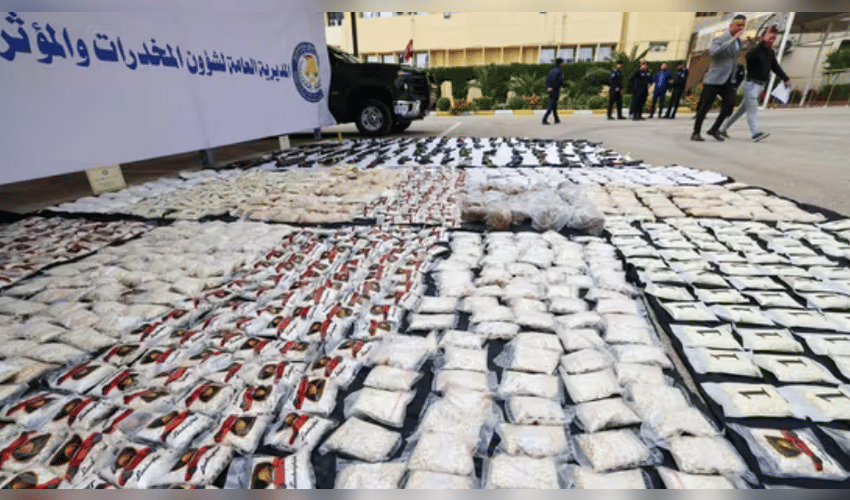

India’s fight against narcotics trafficking is increasingly centering around the Northeast, with Assam and Manipur emerging as two of the most critical states in the region’s anti-drug operations. While Assam has reported the highest number of arrests linked to drug trafficking in eastern and northeastern India, Manipur continues to witness some of the country’s largest heroin seizures.
The trend highlights a deeper challenge facing the region — its geographical proximity to the infamous “Golden Triangle,” a drug-producing zone that stretches across parts of Myanmar, Laos, and Thailand. Security agencies say traffickers often use the Northeast as a transit corridor to move heroin, methamphetamine, and other narcotics into mainland India.
Recent enforcement data and multiple anti-narcotics operations indicate that Assam has become a major interception and arrest hub because of its strategic road and rail connectivity. Law enforcement agencies in the state have intensified highway surveillance, interstate intelligence sharing, and border monitoring in recent years.
Manipur, on the other hand, remains at the center of heroin trafficking concerns due to its long and sensitive international border with Myanmar. Authorities have carried out several major operations in Churachandpur and nearby areas, recovering multi-kilogram heroin consignments allegedly linked to cross-border smuggling networks.
In one recent crackdown, enforcement agencies in Manipur busted a heroin trafficking network operating near the Myanmar border with the support of Assam Rifles and local police. Officials described the operation as part of a broader effort to dismantle organized narcotics supply chains active in the Northeast. Experts believe the rise in seizures does not necessarily mean drug activity is increasing alone — it may also reflect stronger intelligence gathering and more aggressive enforcement. Assam, for example, has seen repeated interceptions of heroin and methamphetamine shipments moving through transport routes connected to Mizoram, Manipur, and Nagaland.
The issue is no longer limited to border districts. Drug consignments traced back to northeastern routes have been detected in southern and western Indian states as well. In a recent Kerala case, investigators reportedly linked heroin seized in Angamaly to supply networks originating near the Myanmar border, with accused individuals traveling from Assam.
Security analysts say trafficking groups are adapting quickly by using hidden vehicle compartments, courier networks, and even passenger transport systems to avoid detection. This has forced agencies such as the Narcotics Control Bureau (NCB), Directorate of Revenue Intelligence (DRI), state police units, and Assam Rifles to coordinate more closely than before.
Beyond enforcement, the growing drug trade is also raising social concerns across the Northeast. Youth addiction, organized crime, and cross-border smuggling networks are becoming interconnected challenges for local administrations. Anti-drug awareness campaigns and rehabilitation programs are now being expanded alongside police operations in several states.
Officials maintain that stronger border surveillance and inter-agency coordination will remain key to controlling narcotics movement in the region. However, experts warn that unless economic vulnerabilities and regional instability along international borders are addressed, traffickers may continue to exploit the Northeast as a major transit route. As enforcement pressure increases, Assam’s high arrest figures and Manipur’s repeated heroin recoveries underline one reality: the Northeast has become one of the most important frontlines in India’s ongoing war against drugs.



