



Economy
136 Indian-Interest Vessels Affected by Maritime Security Incidents Since March, 16 Seafarers Killed
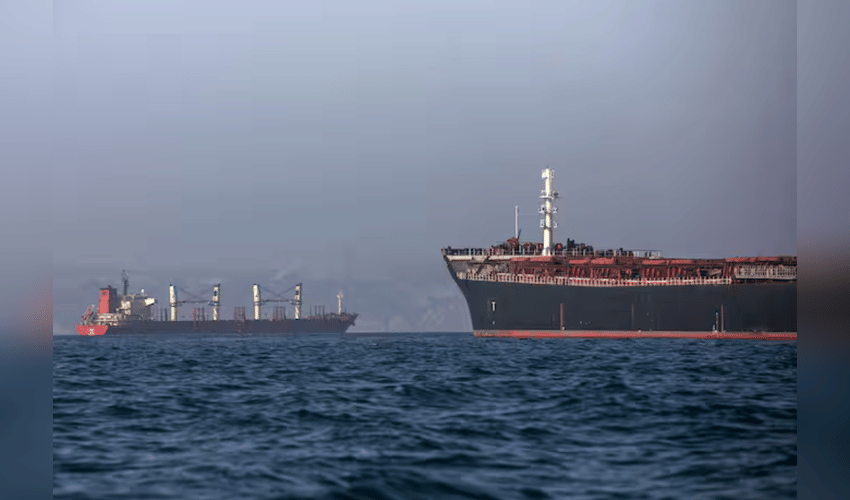

A total of 136 vessels linked to Indian interests have been affected by maritime security incidents across troubled international waters since March 2026, according to a report by the Directorate General of Shipping. The incidents have resulted in the deaths of 16 Indian seafarers, while five remain missing and 34 have sustained injuries. The report, covering the period from March 1 to November 1, highlights the growing risks faced by commercial vessels operating in conflict-affected maritime regions, particularly around the Persian Gulf, Strait of Hormuz, Red Sea and Black Sea.
The Strait of Hormuz, Persian Gulf and Gulf of Oman region accounted for the highest number of incidents, involving 93 vessels. These included six Indian-flagged ships and 87 foreign-flagged vessels. The incidents in the region resulted in 11 fatalities, three missing seafarers and 27 injuries. The Black Sea was another major area of concern, with 37 foreign-flagged vessels affected by security incidents. Five seafarers lost their lives, two were reported missing and six sustained injuries.
Meanwhile, six vessels encountered security-related incidents in the Red Sea, Gulf of Aden and Bab-el-Mandeb region, which have remained vulnerable to attacks and disruptions amid regional tensions. Piracy has also emerged as a serious concern. According to the report, 46 Indian seafarers were affected by piracy-related incidents during the reporting period, with seven incidents involving piracy, hijacking and armed robbery recorded. Eleven Indian crew members remain in captivity following the hijacking of the vessel MT Asana on July 17, 2026. Another 11 foreign crew members aboard the vessel are also being held.
The incidents have raised concerns over the safety of Indian maritime personnel, many of whom work aboard foreign-flagged commercial ships. India has a significant presence in the global maritime workforce, making the security of international shipping routes an important issue for the country. Disruptions in these waterways could also have wider economic consequences for India. The Strait of Hormuz, in particular, is a strategically important route for global energy transportation. Any prolonged instability in the region can increase shipping costs, delay cargo deliveries and put pressure on energy supply chains.
The government has been coordinating with relevant ministries and maritime agencies to monitor developments and provide assistance to Indian seafarers. The Directorate General of Shipping has also maintained round-the-clock support mechanisms to facilitate communication with crew members, shipping companies and their families.
The latest figures underline the growing challenges confronting international commercial shipping as geopolitical tensions, armed conflicts and piracy continue to threaten important trade corridors. Ensuring the safety of vessels and seafarers remains a key concern for India as it works to protect its maritime interests.
Disclaimer: This image is taken from Business Standard.