



Asia In News
13 Cents That Make a Difference: How Nepal's Mid-Day Meal Program Is Bringing More Children to School
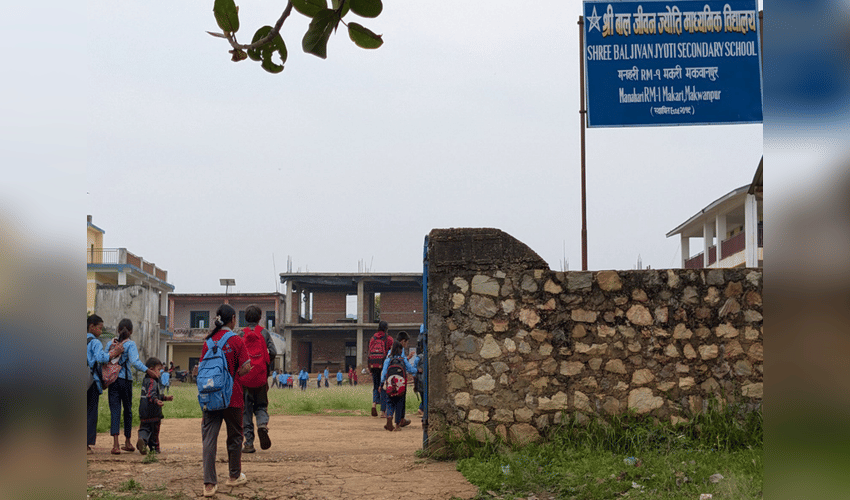

For Shishir Praja, a fifth-grade student from the rural district of Makwanpur in Nepal, the lunch break at school is about much more than taking a pause from lessons. It is often the only assurance of a nutritious meal during the day. Coming from the marginalized Chepang community, where many families struggle with food insecurity, Shishir says the government's Mid-Day Meal Program has become one of the biggest reasons he attends school every day. The free meal not only satisfies his hunger but also reduces the financial burden on his family. For households facing economic hardship, knowing that their children will receive food at school encourages regular attendance and allows parents to save on daily food expenses.
Nepal's Diwa Khaja Karyakram, commonly known as the Mid-Day Meal Program, has come a long way since its introduction nearly six decades ago. Initially launched with support from international donors to combat hunger in remote and food-deficient regions, the initiative has gradually expanded into one of the country's most important education and nutrition programs. Today, it reaches students from early childhood education through Grade 5 in almost 29,000 community schools across the country.
The program is designed not only to fight hunger but also to improve classroom participation, reduce dropout rates, and promote equal educational opportunities. It has become a key pillar of Nepal's efforts to strengthen school enrollment while supporting children's overall health and development. At Shree Bal Jivan Jyoti Secondary School in Makwanpur, students receive a different menu throughout the school week to ensure they get a balanced diet. Meals include porridge, roasted grams, beaten rice, sticky rice prepared with ghee, and eggs. Once every month, the school serves chicken or mutton, a meal that students eagerly anticipate.
Preparing these meals, however, is not without challenges. The Nepalese government currently allocates around 13 US cents per child each day for the program. Although this amount is nearly double the previous funding level, many educators believe it is still insufficient to provide nutritious meals while covering additional expenses such as cooking fuel, kitchen facilities, utensils, and staff salaries. At the Makwanpur school, approximately 130 meals are cooked every day in a small temporary kitchen located beneath a staircase. Before the food is served, it is inspected by a school nurse assigned by local authorities to ensure quality and hygiene standards are maintained.
School administrators say they often have to stretch their limited resources to keep the program running. Principal Eakraj Gautam explained that government funding alone is not enough to meet the actual costs of preparing healthy meals, forcing schools to rely on their own staff and, in some cases, additional financial support from local communities or development partners.
In several districts where funding shortages are more severe, authorities have occasionally distributed cash to parents instead of serving meals directly. While this approach offers flexibility, education experts warn that it may not always guarantee children receive the intended nutritional benefits. Despite these financial constraints, the program continues to produce encouraging results. Education officials report that many children who would otherwise come to school hungry now attend classes regularly because they know they will receive a meal. Teachers have also observed better concentration, improved classroom participation, and increased attendance among students benefiting from the initiative.
Recognizing its positive impact, the Government of Nepal has allocated nearly 66.8 million US dollars for the Mid-Day Meal Program in the 2026-27 fiscal year, representing a significant share of the country's education budget. The government also plans to expand the initiative under its School Education Sector Plan (SESP) 2032, extending meal coverage through Grade 8 and potentially benefiting more than five million students.
Officials are also encouraging schools to source more ingredients from local farmers, a move that could improve meal quality while supporting rural agriculture and local economies. For children like Shishir Praja, the program is far more than a school lunch. It is a source of nutrition, a reason to remain in the classroom, and an opportunity to build a better future through education. As Nepal continues investing in the initiative, the Mid-Day Meal Program demonstrates how even a modest daily investment can have a lasting impact on children's health, learning, and long-term prospects.



